
The Second Commandment
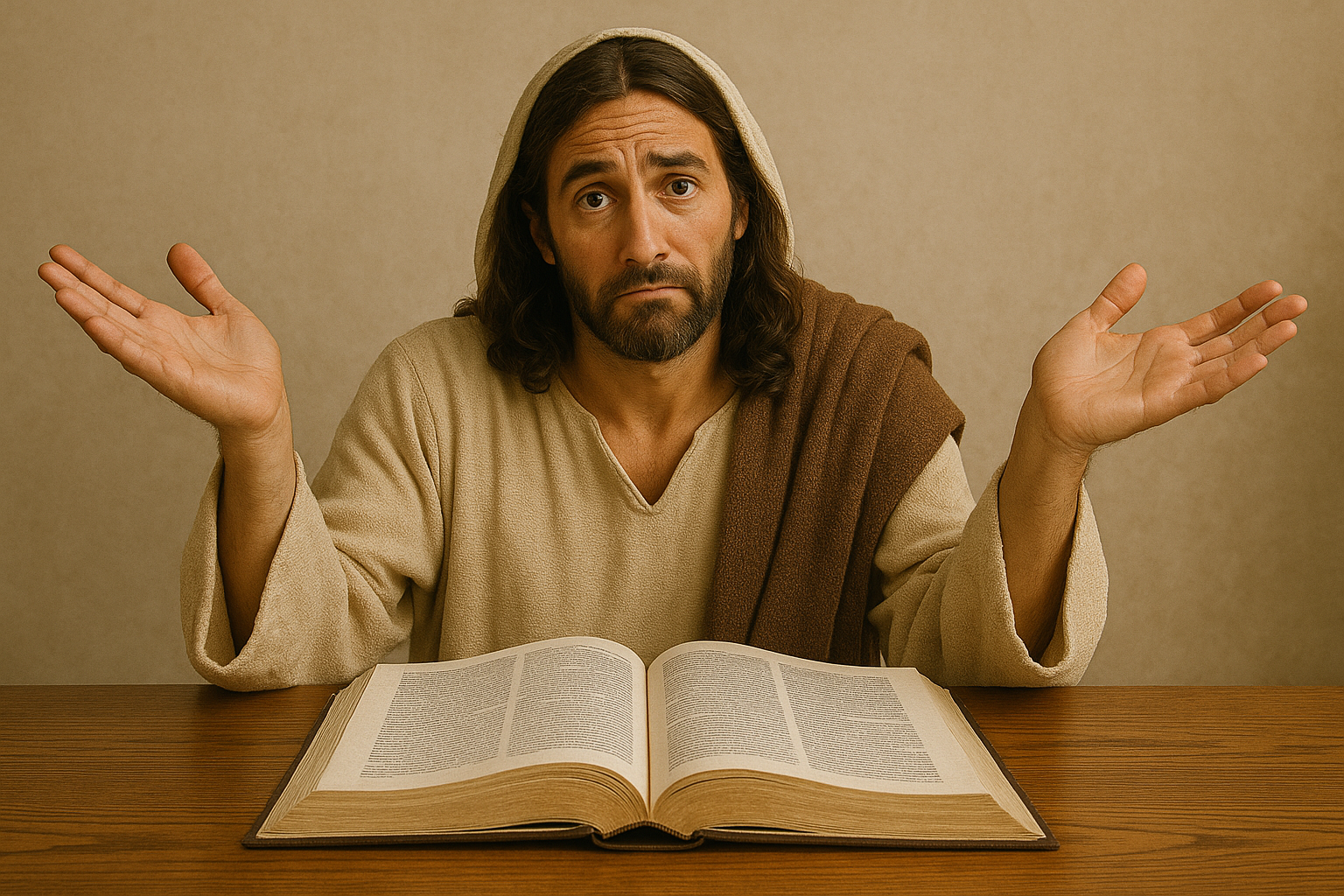
I am the Lord your God. You shall have no other gods before me.
Jesus arrived in Aotearoa on a Tuesday morning in late spring, the kind of morning when the pohutukawa are still thinking about flowering and the air smells of salt and wet grass. He caught the Northern Express from Albany in sandals and a borrowed Swanndri, looking like any other brown-skinned labourer heading south for work that probably wouldn’t be there.
By the time the bus reached Manukau he had already left it. He walked the back streets most MPs only ever see from inside a Crown limo with tinted windows. He passed the new “mixed-use developments” - three storeys of tiny apartments on top of a Countdown where a one-bedroom lease now costs more than a full-time minimum-wage earner takes home after tax. A young Samoan woman wrestled a pushchair down exterior stairs that already had black mould racing up the concrete. Jesus steadied the chair while she found her key.
Inside, the power was off again. Prepay meter. She laughed the short, embarrassed laugh people use when they’re apologising for circumstances that aren’t their fault. “I’m two shifts behind,” she said. “They cut the benefit if you miss an appointment, but the appointment was the same day my boy had fever. You know how it goes.”
Jesus did know. He had seen it in Capernaum, in Alexandria, in Manchester in 1843, in Detroit in 1932. Same story, different century.
He walked on. In the emergency-housing motel off Great South Road he found three generations in one room - kuia, daughter, mokopuna, all on a waiting list that never seems to move. The kuia’s pills sat in a plastic tray because the pharmacy bulk-funding model meant she now paid $5 every time instead of nothing and $5 was two-minute noodles for the kids. She had started skipping the blood-pressure tablets on alternate days. Jesus sat on the vinyl sofa that smelled of cigarettes past and listened to her cough rattle like dry leaves.
Later, in the public hospital corridor where the plastic seats are the colour of old teeth and the vending machine has been broken for fourteen months, he waited with a man whose leg ulcer had gone septic because the district nurse visits had been “rationalised.” The man’s toes were black now. He was thirteenth on the non-urgent surgical list. Expected wait - eighteen months, maybe twenty-four.
Jesus touched the man’s shoulder. Nothing dramatic, just warmth. The man cried without making a sound, the way men do when they have been told too many times that pain is a personal failing.
By evening Jesus had walked the length of the country in the way only he can - Ōtara to ōtara, Porirua dawn, Flaxmere dusk, Aranui midnight and everywhere the same small altars glowing - the blue shrine of the 55-inch TV promising paradise for one Lotto ticket, the temple of the stock-market ticker in every minister’s office, the sacred spreadsheet that measures human life in fiscal risk and unit costs.
At nine sharp the next morning he was outside Premier House. Security recognised something in his eyes and waved him through without asking for ID. The Prime Minister was at the breakfast table in shirtsleeves, reading briefing notes over coffee and Vogel’s. He looked up brightly when Jesus entered, the way politicians do when they sense a photo opportunity with an ethnic minority.
“Kia ora! Wonderful to have you here. We’re a country with Christian values, you know. Judeo-Christian heritage, very important.”
Jesus took the offered hand, held it a moment longer than courtesy required. “I brought my people out of slavery once,” he said quietly. “Out of the house of bondage. I notice you have built new houses of bondage, only this time the bricks are made of paperwork and the taskmasters wear lanyards.”
The Prime Minister gave the small laugh he used on Morning Report when the interviewer got above their station. “With respect, we have to balance the books. We can’t just print money forever. Personal responsibility is also a Christian value.”
Jesus glanced at the briefing folder. On top was the latest Treasury report “Options for Further Fiscal Consolidation.” One highlighted paragraph proposed cutting the Winter Energy Payment for superannuitants because “most pensioners have significant housing equity.” “Tell me,” Jesus said, “when did I teach that the poor must be made poorer so the rich can feel safer in their sleep?”
He moved to the window. From here you could see across the city to the hills and, on a clear day, the South Island. Somewhere down there a child would wake up tonight in a car because the emergency-housing waiting list is 28,000 long and the government has discovered that motels are cheaper than building houses.
“I am the Lord your God,” Jesus said, almost conversationally. “You shall have no other gods before me. Not GDP growth. Not the bond markets. Not the comfort of the wealthy who fund your party and invite you to dinner.” The Prime Minister opened his mouth, closed it again.
Jesus turned back to him. His eyes were very tired and very kind. “You quote me in your speeches. You wear the fish badge on your lapel. But when I walked your streets yesterday I was hungry and you did not feed me. I was sick and you cancelled my appointment. I was a stranger and you built higher gates.”
He placed one work-roughened hand on the Prime Minister’s shoulder. “I brought you out of Egypt,” he said. “Do not build a new one.” Then he was gone. The coffee had gone cold. On the table, where his hand had rested, the wood grain had rearranged itself into the shape of a cross.
Outside, the pohutukawa were finally starting to bloom, blood-red against the pale Wellington sky, as if the land itself was trying to remember something older and truer than any budget line.
Have any thoughts or insights to share? I’d love to hear them.