
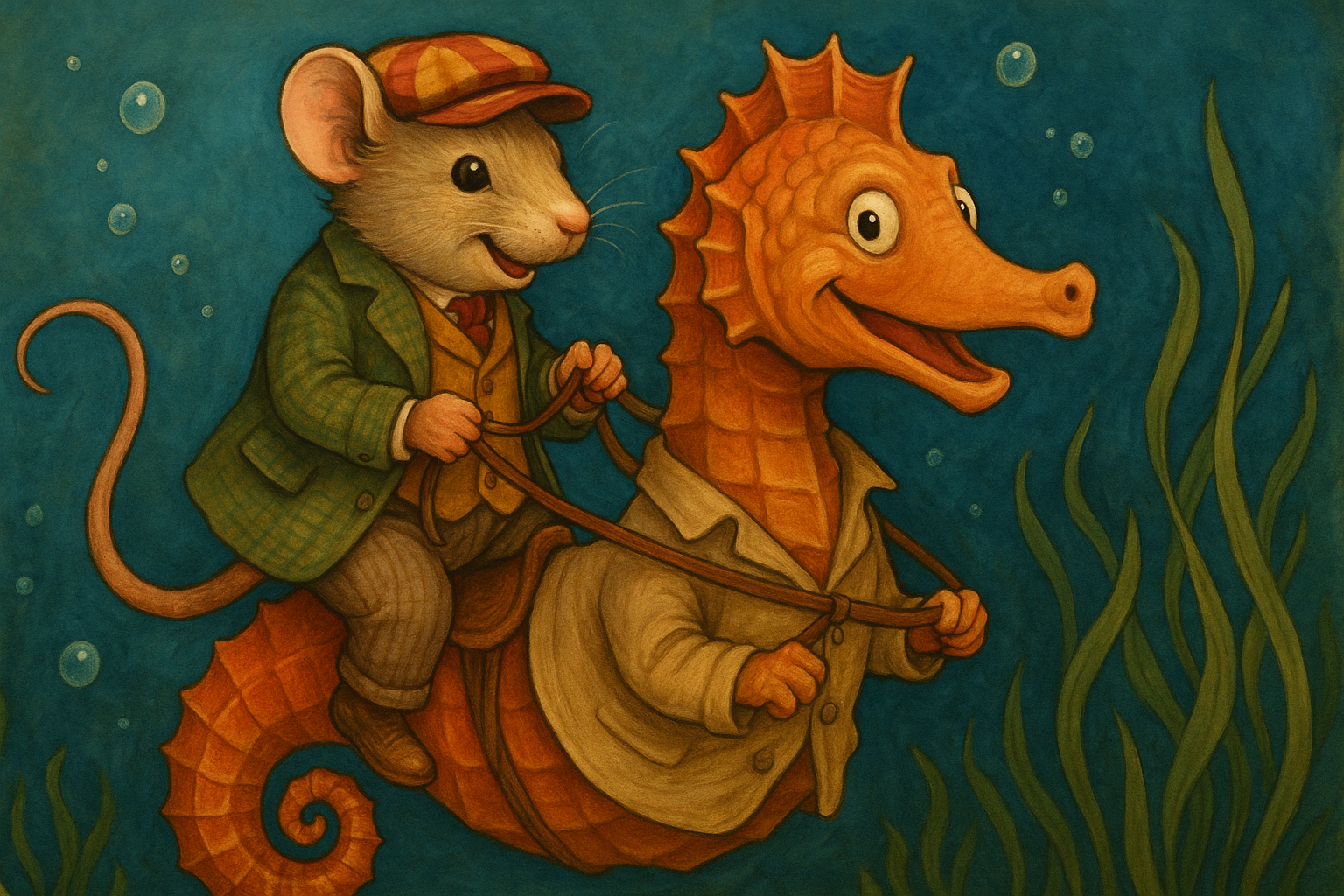
🌟 The Good News Times – 29th August 2025 Edition
This week in The Good News Times: a crystal that breathes like lungs, Copenhagen’s sponge-city revolution, drones that outsmart mosquitoes, ocean-wise school lunches, and a star on the edge of going supernova. Add in seahorses making a comeback and chemistry unlocking future tech – proof that innovation, care, and curiosity are quietly reshaping our world.
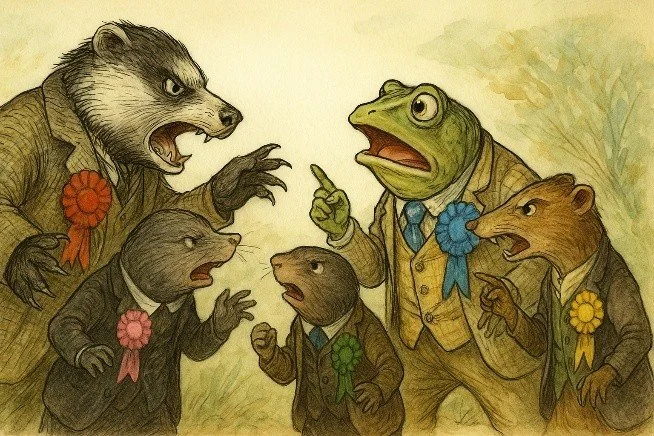
The End of the Red-Blue Monopoly
Labour and National’s decades-long dominance is crumbling. With both parties polling at record lows, New Zealand’s smaller parties are shaping the future under MMP. But is this new era a democratic breakthrough - or a recipe for chaos?
A Fraternal Rupture
When a family member warned me, “Watch the UK, because that’s where New Zealand is heading,” I took it seriously. Britain’s political churn, culture wars, and economic stagnation offer a stark warning. Drawing on Douglas Murray’s The Strange Death of Europe, this article explores what parallels New Zealand should heed and how we can avoid repeating Britain’s mistakes by investing in identity, inclusion, and long-term strategy.
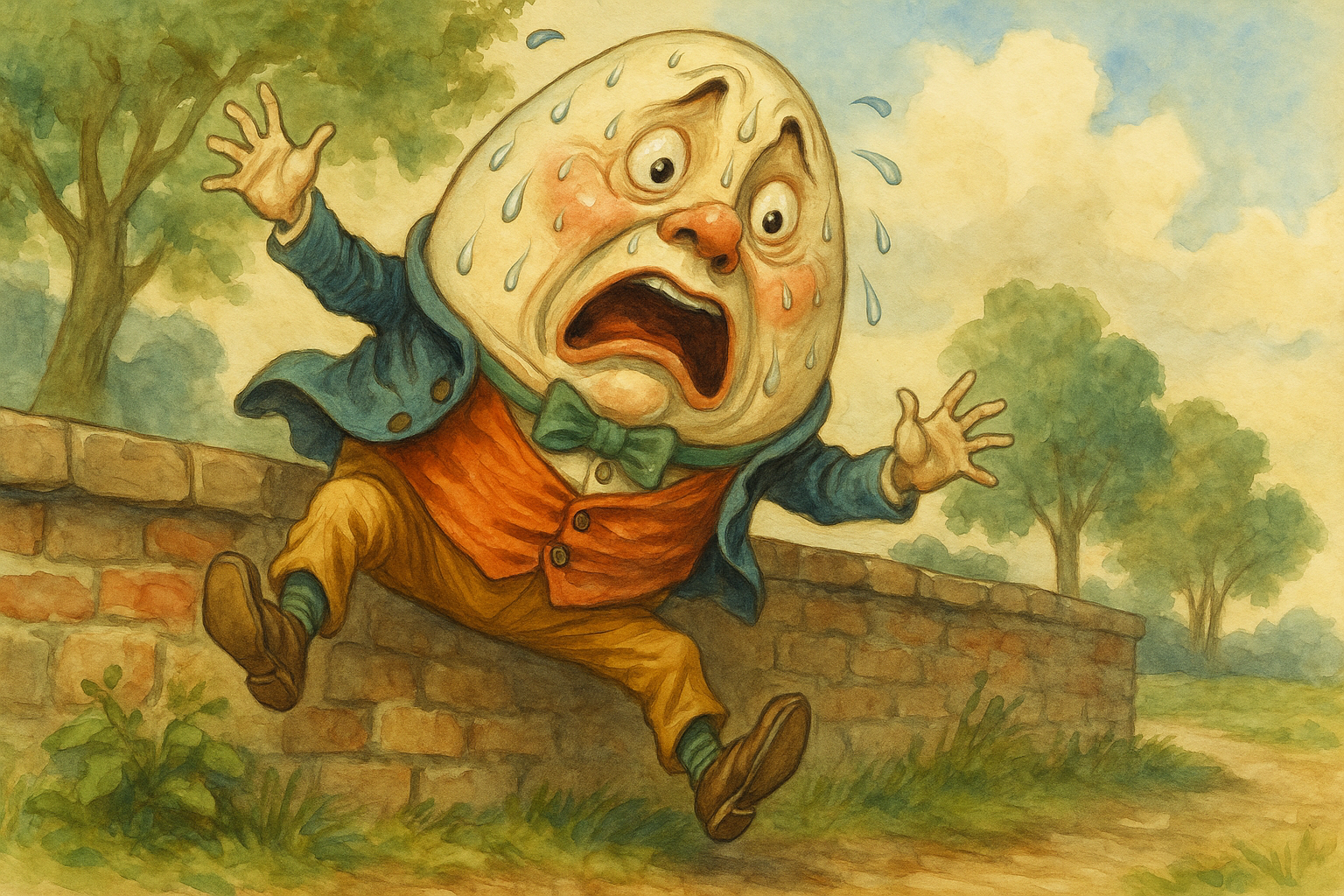
Luxon’s Rethink – A Radical Pipeline of Absolutely Nothing New
Prime Minister Christopher Luxon has announced a “total rethink” of major events, pitching it as an economic pipeline to boost growth. But beneath the surface, the strategy looks less like vision and more like activity for activity’s sake. In this editorial, we explore the risks of performative leadership, the unflattering parallels with Chris Hipkins, and why Aotearoa deserves more than recycled announcements.
The Cost of Looking Away
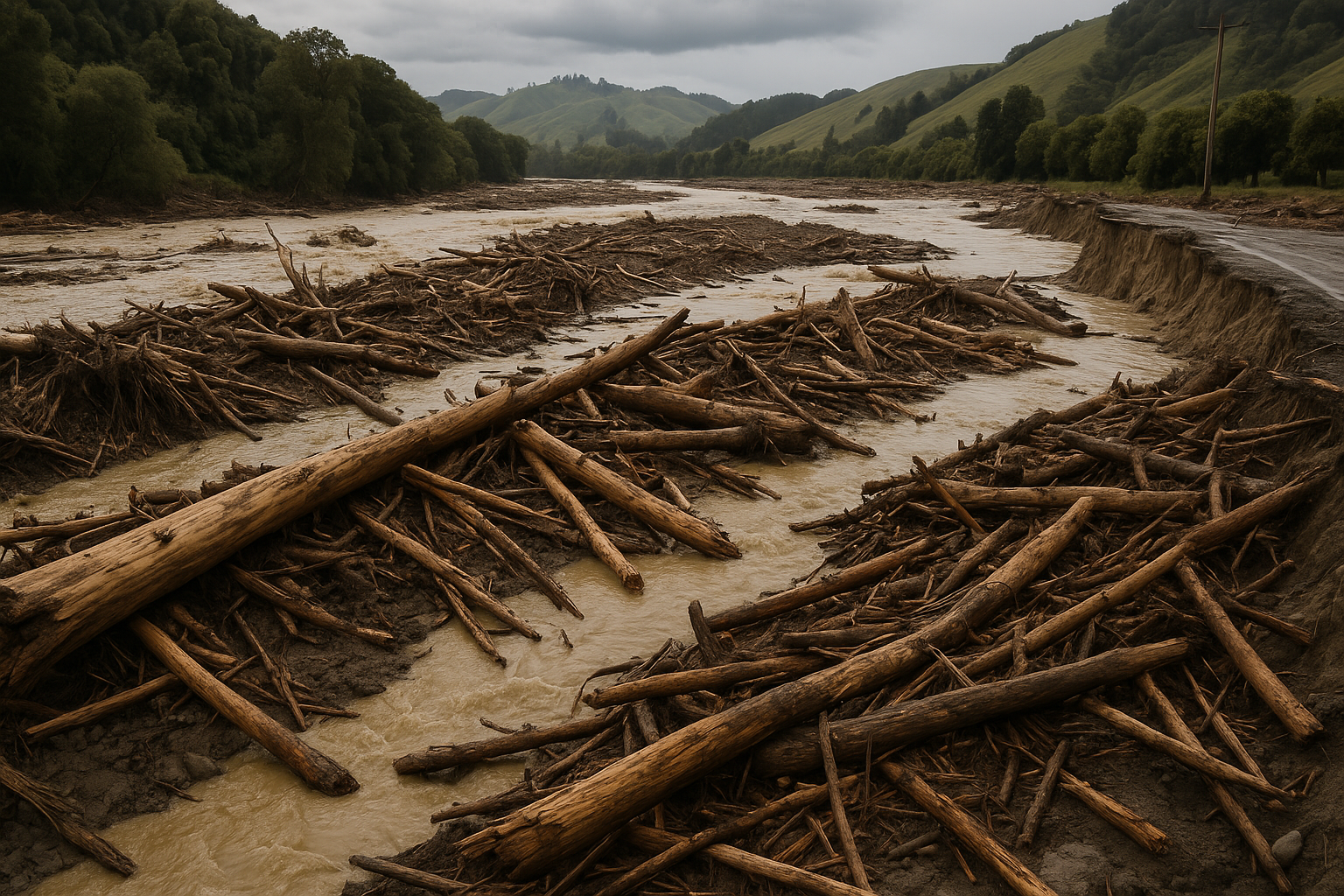
Floods in Tairāwhiti, silt-choked homes in Hawke’s Bay, forestry slash devastating Tolaga Bay - these aren’t isolated disasters. They are symptoms of policy failure. This article explores how successive governments have neglected environmental protections, examines the role of ideology and deregulation and asks the urgent question - who is this government really working for?
Good Things Are Happening
While headlines focus on challenges, New Zealand’s quieter story is one of resilience and renewal. SMEs are investing in skills, communities are funding grassroots projects, and researchers are tackling cancer and inequity with world-class science. Across Aotearoa, momentum is building and it’s a story worth celebrating.

The Great Kiwi Business Extinction
New Zealand is facing the fastest collapse of small business confidence in modern history. In the first half of 2025 alone, 1,270 businesses have gone under - 12% more than last year’s record. Behind the numbers are unpaid suppliers, lost jobs, and shattered communities. This is not the economic rescue package voters were promised - it’s a demolition job carried out in plain sight.
Good Things Are Happening
From fintech breakthroughs to arts funding, cultural festivals to community housing, here’s this week’s round-up of Kiwi wins making a real impact.

The Empathy Emulator - Christopher Luxon’s Awkward Stab at Humanity
Christopher Luxon’s conference speech was meant to show empathy - but instead, it exposed a deeper disconnect. In this biting satirical analysis, we explore why leadership without lived experience feels like a spreadsheet trying to cry. A must-read for those questioning whether “optimism” is enough in today’s Aotearoa.
Good Things Are Happening
Kiwis love a good news story – a local win, a business breakthrough, a young leader stepping up. But truly resilient progress comes when we balance optimism with realism. In this article, we explore six recent success stories in Aotearoa, examining both their promise and the caution they deserve. From revitalised wool mills to Māori social enterprises, we invite you to see the full picture – glow and grit alike.

How Our Betters Taught Us To Distrust Them And Blame Ourselves – a forlorn fantasy
Imagine a New Zealand where governance begins with listening, not branding. This counterfactual explores a reimagined Aotearoa where solo mums co-design welfare, nurses lead health reform, rangatahi redefine civics, and wealth is finally taxed fairly. Trust isn’t taught - it’s shared.
Good News Aotearoa – Edition 31st July 2025
From a compostable Mānuka dog chew to Christchurch-built diagnostic AI and bold science investments, New Zealand’s innovation scene is bursting with purpose. In this edition of Good News Aotearoa, we showcase six stories where Kiwi courage, care, and curiosity are shaping a smarter, more hopeful future.
Good Things Are Happening
From the All Blacks’ hard-won series victory to the quiet heroism of conservation volunteers, this week’s edition of Good News Aotearoa is packed with stories of resilience, leadership, and innovation. Discover how space law, community restoration, and four-day workweeks are shaping a better future for Aotearoa.
🌟 The Good News Times – 26th July 2025 Edition
From Rwanda’s Akagera National Park, where former poachers are now rangers, to microalgae concrete, carbon-eating electric cars, and AI that detects depression early, this week’s Good News Times is packed with powerful proof that when we invest in restoration, nature, and each other, we can change the world. Read on for global success stories, regenerative technology, and hopeful news from land and sea.
Good Things Are Happening
Even in a week crowded by political noise, good things are happening in Aotearoa. From young leaders stepping up in Parliament to teachers receiving long-overdue support, these six stories showcase real progress and community-led change across New Zealand.

Riding The Bumps
While official data hints at recovery, most New Zealand SMEs aren’t feeling it. Global instability, cautious consumer behaviour and rising costs are creating real pressure for small business owners. This article unpacks the reality behind the numbers and provides five smart strategies to help business owners stay agile, protect their margins, and remain true to their values, without burning out or cutting what matters most.

Gaia - The Roots
In "Gaia: Rediscovering Earth as a Living, Breathing Whole", we will look at James Lovelock’s groundbreaking Gaia Theory, which views Earth as a self-regulating system where life and the environment work in harmony. Often misunderstood or dismissed as mystical, Gaia is rooted in science, offering a compelling framework to understand our planet’s resilience and interconnectedness. From Lovelock’s early discoveries to his work with NASA, this article explores how Gaia challenges us to see Earth not as a passive backdrop but as an active, living entity. Read on to uncover the science and significance of this revolutionary idea.
Gaia - A Theory That Redefines Our Planet
In "A Theory That Redefines Earth", we will look at how Gaia Theory explains the intricate relationship between life and the environment. Unlike mystical interpretations, Gaia is grounded in science, demonstrating how feedback loops—like forests absorbing CO₂ or ocean plankton influencing cloud formation—help regulate the planet’s stability. From its mythological roots to its impact on climate science and conservation, Gaia Theory challenges us to see Earth as a dynamic, interconnected system. Read on to explore how this revolutionary idea continues to shape environmental thinking and action.
Gaia - A Call To Action
In "Gaia in the Anthropocene: A Call to Action", we will look at how Gaia Theory helps us understand the challenges of human-driven environmental change and the urgent need for action. From biodiversity loss to climate tipping points, Gaia reminds us that every system on Earth is interconnected. This article explores how leading scientists like Tim Lenton and Johan Rockström are expanding Gaia’s legacy, using planetary boundaries and resilience research to guide conservation and climate policy. Read on to discover how Gaia’s influence continues to shape science, sustainability, and even the search for life beyond Earth.
Gaia - Making A Difference
In "Gaia in the Anthropocene: A Call to Action", we will look at how Gaia Theory helps us understand the challenges of human-driven environmental change and the urgent need for action. From biodiversity loss to climate tipping points, Gaia reminds us that every system on Earth is interconnected. This article explores how leading scientists like Tim Lenton and Johan Rockström are expanding Gaia’s legacy, using planetary boundaries and resilience research to guide conservation and climate policy. Read on to discover how Gaia’s influence continues to shape science, sustainability, and even the search for life beyond Earth.